

Built for Deep Space: The Team Behind NASA’s Orion Spacecraft
Meet the engineers, innovators and problem-solvers who helped make history during the Artemis II mission, taking humans deeper into space than ever before


When the Artemis II mission carried four astronauts around the Moon and back, NASA’s Orion spacecraft, built by Lockheed Martin, was put to the test, taking humans farther than any have traveled in more than 50 years.
To celebrate this historic mission, we’re spotlighting a few team members who worked to ensure the spacecraft performed when it mattered most.
Lisa joined Lockheed Martin in 2020 and now plays a critical role in guiding technical decisions across Orion, helping assess risk and ensure the spacecraft performs safely throughout the Artemis missions.
Lisa says her favorite memory was in 2019 when they fully tested the Launch Abort System and it performed flawlessly.
The Launch Abort System remains critical to crew safety and a key moment during Artemis II.
“As a dedicated Launch Abort System nerd, I have to say I was excited to see it separate from the vehicle and send the crew on their way to the Moon.”
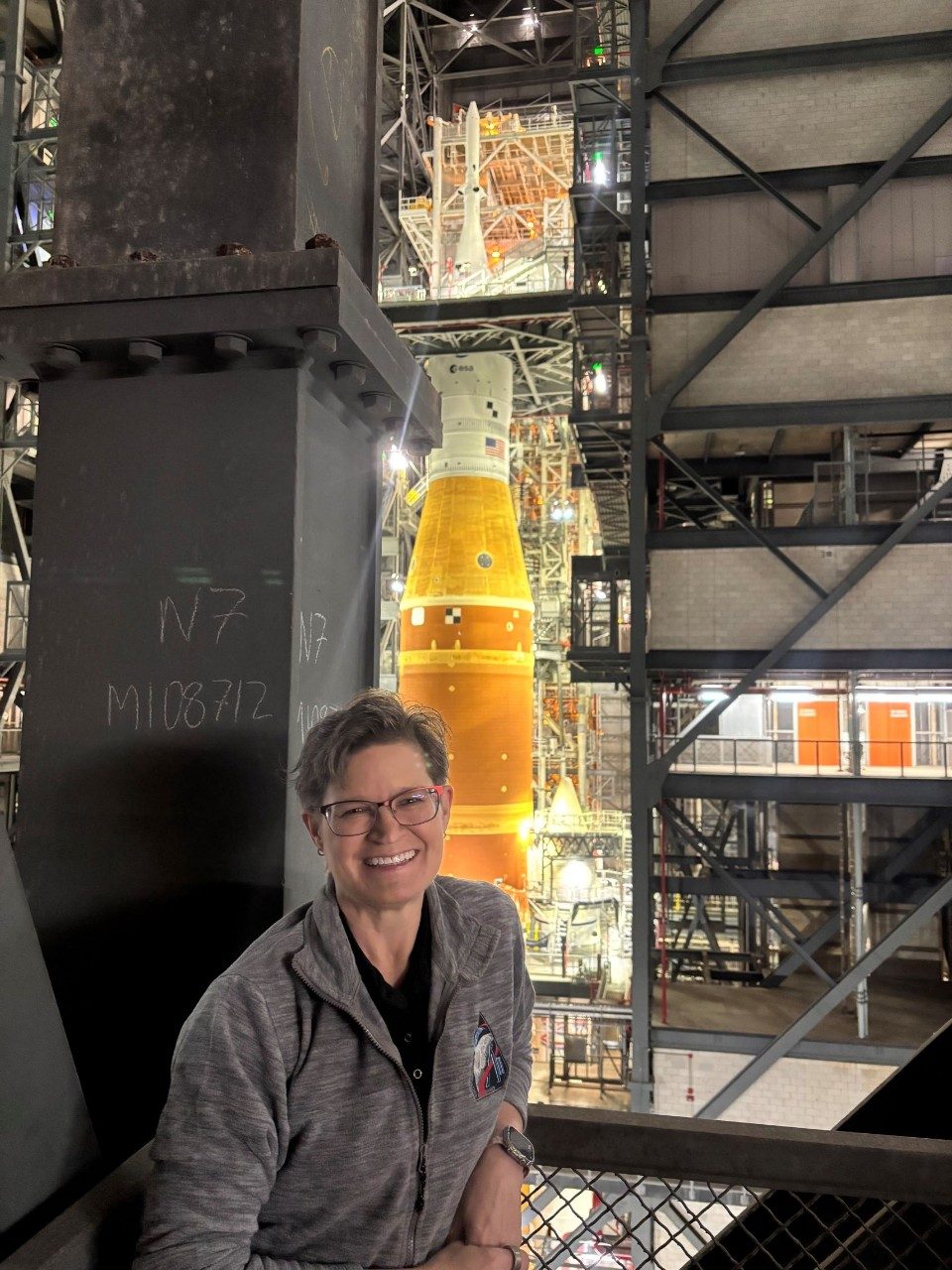
Mario Cacciola: Orion Loads and Dynamics Engineer
Early in his career, Mario is helping ensure Orion withstands the extreme forces of launch, deep space travel and reentry.
As part of the Loads and Dynamics team, he analyzes the vibroacoustic and structural environments the spacecraft experiences.
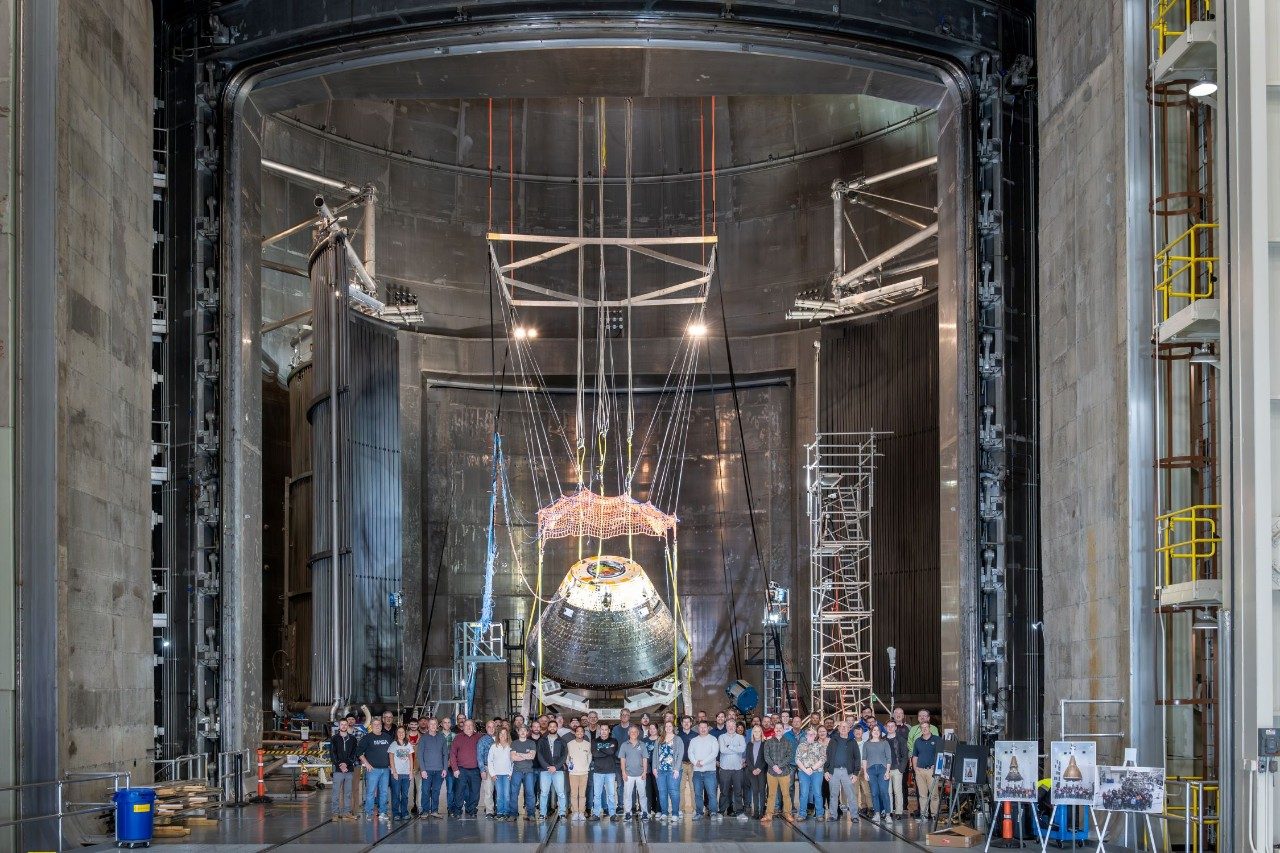
“I tell people we work with NASA on the space capsule that will take astronauts to the Moon for the first time since 1972,” said Mario.
He sees Artemis II as a defining moment in space exploration.
Katya Hoffman: Orion Systems Engineering Manager, Crew Displays
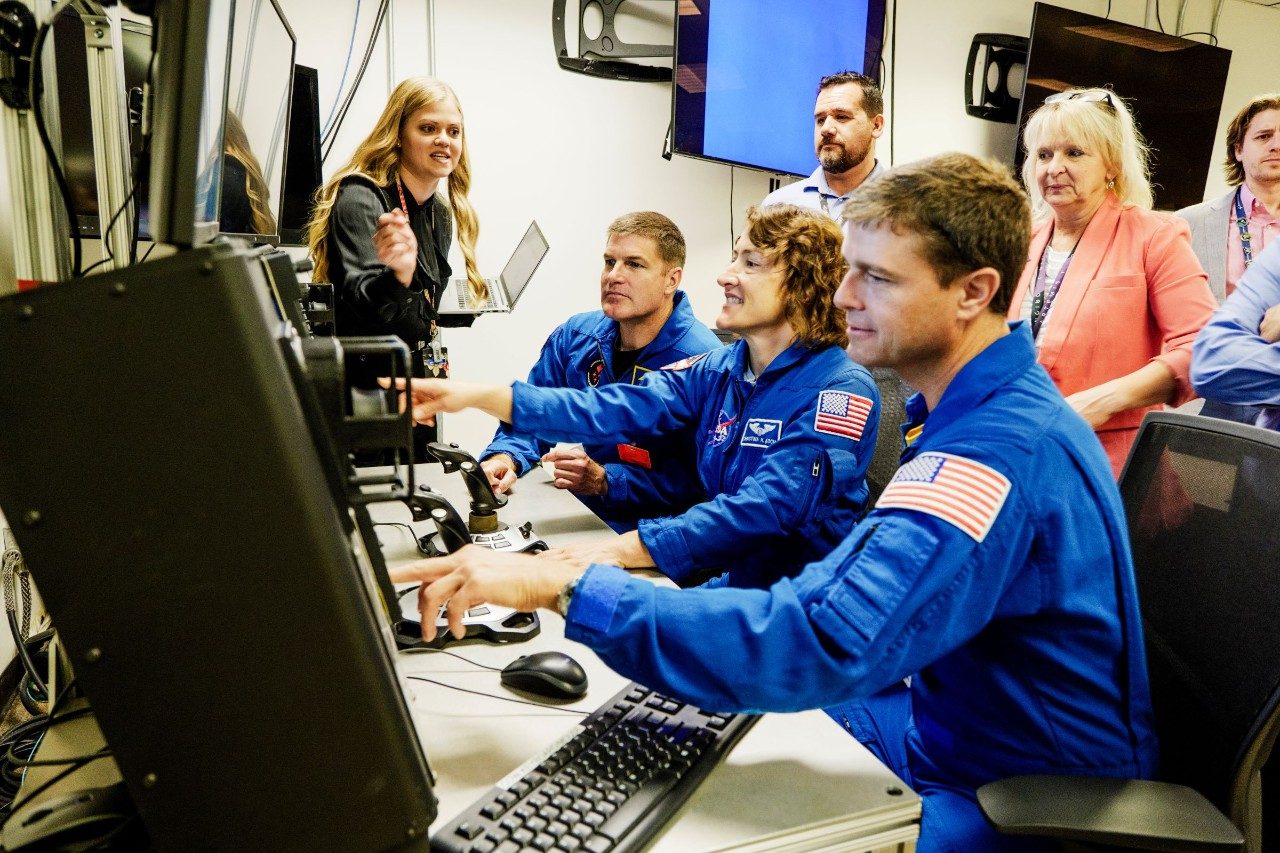
Katya leads systems engineering for Orion’s crew displays, ensuring astronauts have the data and controls needed to safely execute their mission.
With nearly nine years at Lockheed Martin, she has worked across multiple programs before focusing on Orion, shaping how astronauts interact with the spacecraft.
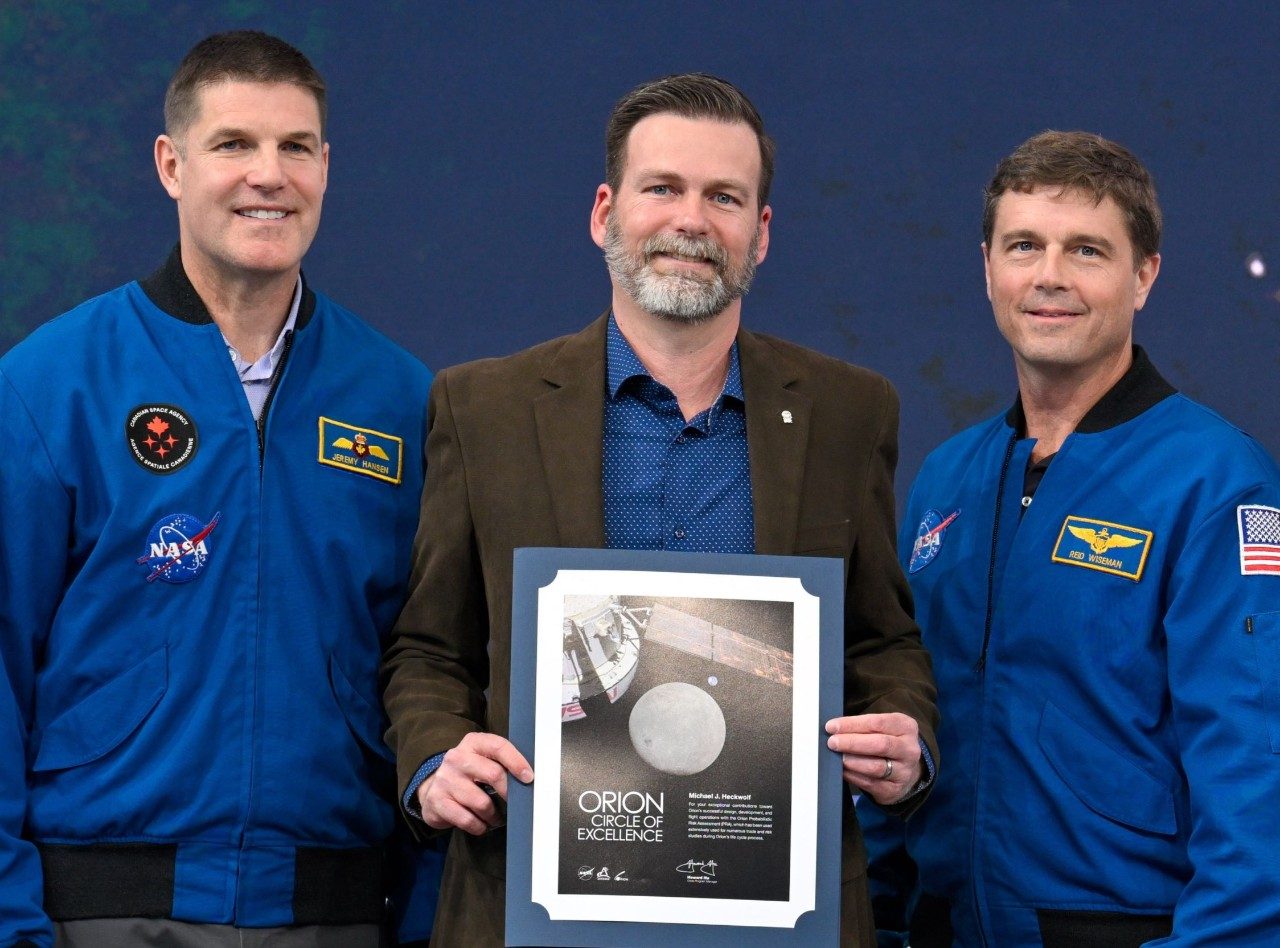
Michael Heckwolf: Spacecraft Systems Reliability Engineer
With nearly 25 years at Lockheed Martin, Michael brings deep technical expertise and a passion for solving complex challenges to the Orion program.
After working on the F-22 Raptor program for five years, Michael has spent nearly two decades focused on Orion, becoming a technical authority in understanding complex systems and mitigating risk.
“I crave the big picture, enjoy studying complex systems and solving interesting problems, and love working with a wide variety of engineers from practically every discipline,” shared Michael.
“I help drive reliability and safety into our spacecraft design and operations, so our astronauts carry forward humanity’s great quest for discovery and come back home safely to their families,” he explains. “My responsibility is to be familiar with the entire Orion spacecraft, imagine possible failure scenarios, understand the effects, estimate the likelihoods, help mitigate risks and to be as prepared as possible for the big day.”
For those starting out in the careers, Michael shared, “Aerospace engineering can be extremely challenging, but it is so rewarding to be part of a team accomplishing extraordinary things."
Emma Lawrence: Orion Umbilical Lead, Mechanisms
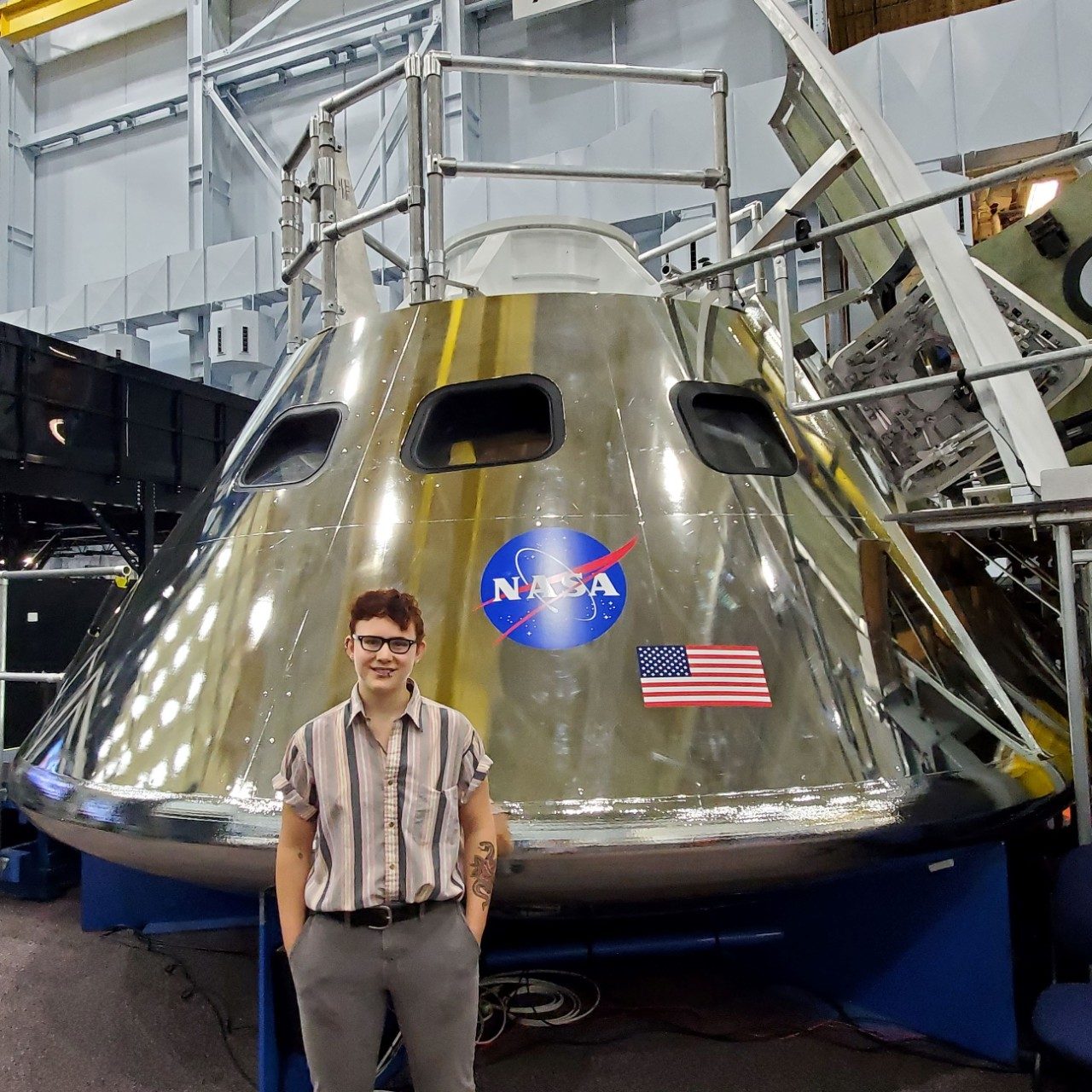
Just two years into a career at Lockheed Martin, Emma is already playing a key role in some of the most critical moments of the Orion mission.
As the Umbilical Lead for the Mechanisms team, Emma works on systems that hold the spacecraft together and ensure it separates exactly when needed during launch and reentry.
Emma’s path began as an intern working on satellite propulsion systems before transitioning to Orion’s Mechanisms and Pyrotechnics team.
“I work on everything that holds the spacecraft together until it’s time for it to come apart (typically with explosives),” Emma explains. “I’m one of the technical experts consulted on these mechanisms throughout their lifecycle from the initial build, test and installation processes to when they are sent into space and actuated.”
Ready to Learn More?
Explore how you can be part of a team that drives innovation that matters.