

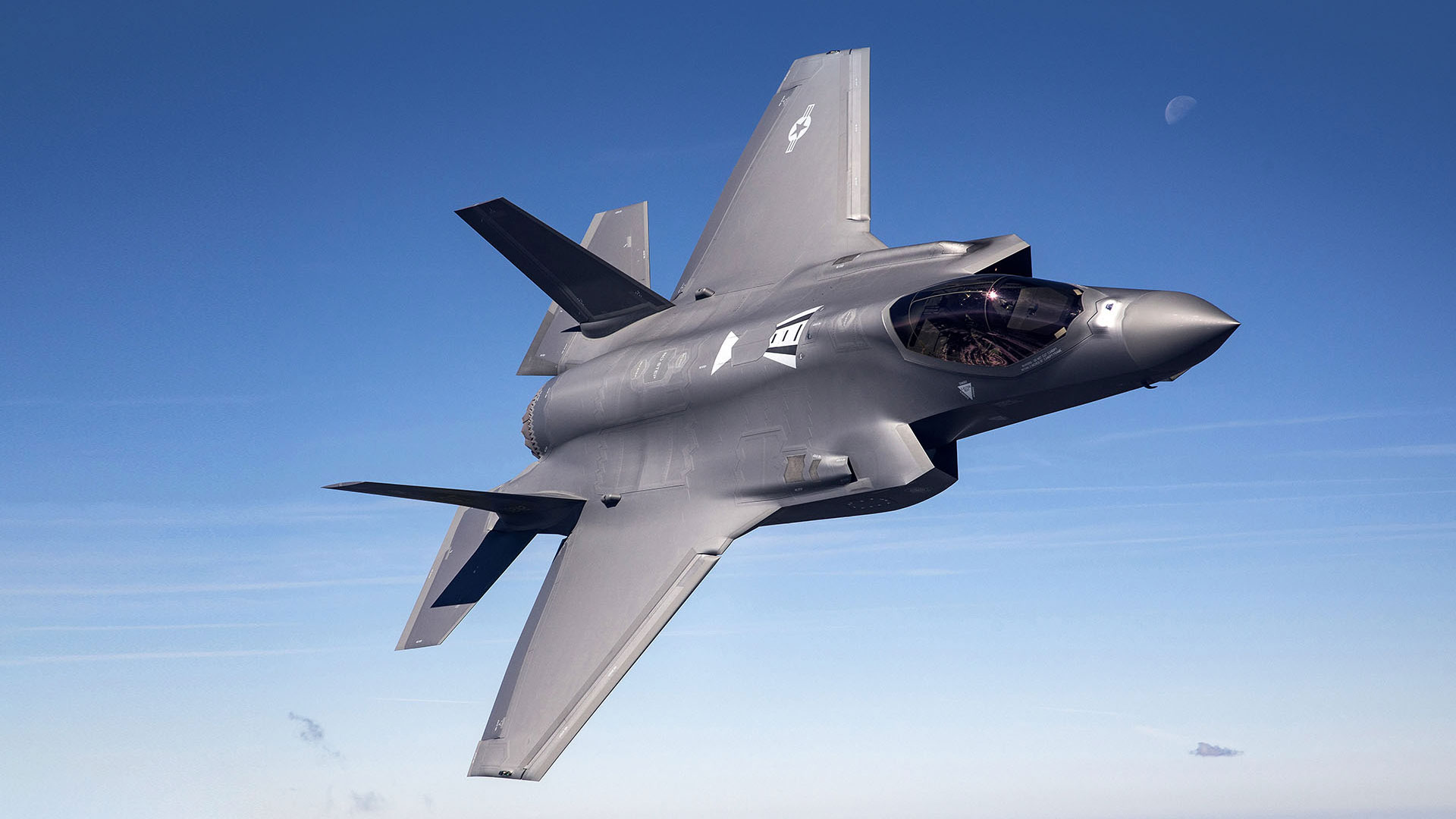

F-35 Supplier Spotlight: Printed Circuit Boards For a Fifth-Generation Fighter


Inside the Systems That Power the Jet
FTG has been a leading manufacturer of high reliability printed circuit boards for the aviation, defence and high technology industries for over 35 years. Since its contract began in 2016, the company’s Toronto division has been manufacturing printed circuit boards for the global F-35 fleet, contributing to the electronic systems installed on each and every jet built today.
As one of 30 Canadian companies currently involved in the program, FTG benefits from the stability of such a well-established program, which supports long-term, strategic planning.
“Working closely with large defence firms like Lockheed Martin allows FTG to keep a finger on the pulse of the industry’s future technology requirements and provides a foundation for continued innovation and growth,” says Bill Sezate, Executive Vice President, FTG Circuits Operations.


The Team Behind the Technology
The contract also generates skilled, stable employment in the Toronto region. In fact, the company has seen its workforce grow by approximately 10 per cent over the course of the contract, with nearly two-thirds of its Toronto employees working on the F-35 program. Many of those are highly skilled roles including engineers and quality assurance personnel.
Building Enduring Capability Through Long-Term Partnership
This is not FTG’s first time partnering with Lockheed Martin. The company’s Aerospace division previously supported the C-130 program through the manufacture of illuminated cockpit control panels, underscoring a relationship built on trust and capability.
The supply chain partnership with Lockheed Martin has aided FTG in developing new technologies, improving manufacturing efficiency and advancing automation – all factors that drive long-term resilience in an unpredictable industry.
With the F-35 program projected to generate CAD$15.5B in economic value for Canada through 2058, opportunities for suppliers like FTG are expected to grow as Canadian defence firms large and small continue to compete for work across the global supply chain.
