


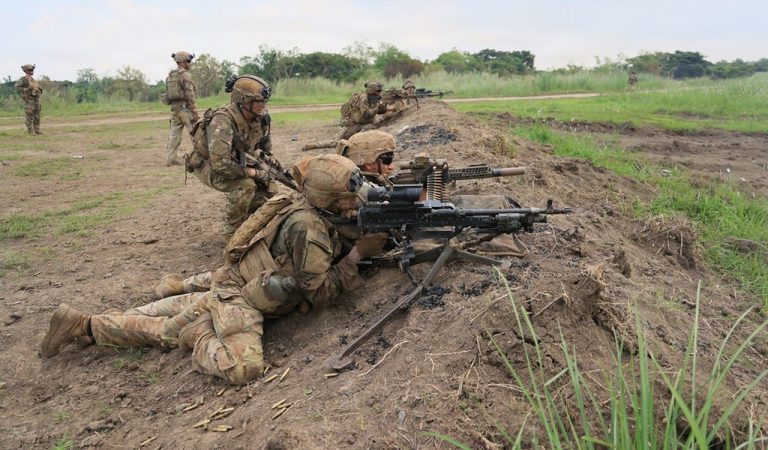
U.S. Army video by Sgt. Duke Edwards
Next Generation Command and Control, or NGC2, is the U.S. Army’s modernization effort to fundamentally change how digital mission command and control is conducted, utilizing a common data layer to provide a continuous operating picture with a single, integrated view of the battlefield to enable swift and decisive action.
As the NGC2 Team Lead for the U.S. Army’s 25th Infantry Division, Lockheed Martin is collaborating with several companies, including Raft, Amazon Web Services and Rune to rapidly bring best-of-breed solutions to the U.S. Army - at the speed of relevance.
What is Next Generation Command and Control or NGC2?
How is Lockheed Martin supporting the Next Generation Command and Control (NGC2) effort?
What role does the U.S. Army’s 25th Infantry Division (25ID) have in NGC2?
What are the NGC2 Lightning Surge exercises?
What is the difference between NGC2 Ivy Sting and NGC2 Lightning Surge?
How does U.S. Army and Soldier feedback support the Next Generation Command and Control (NGC2) initiative?
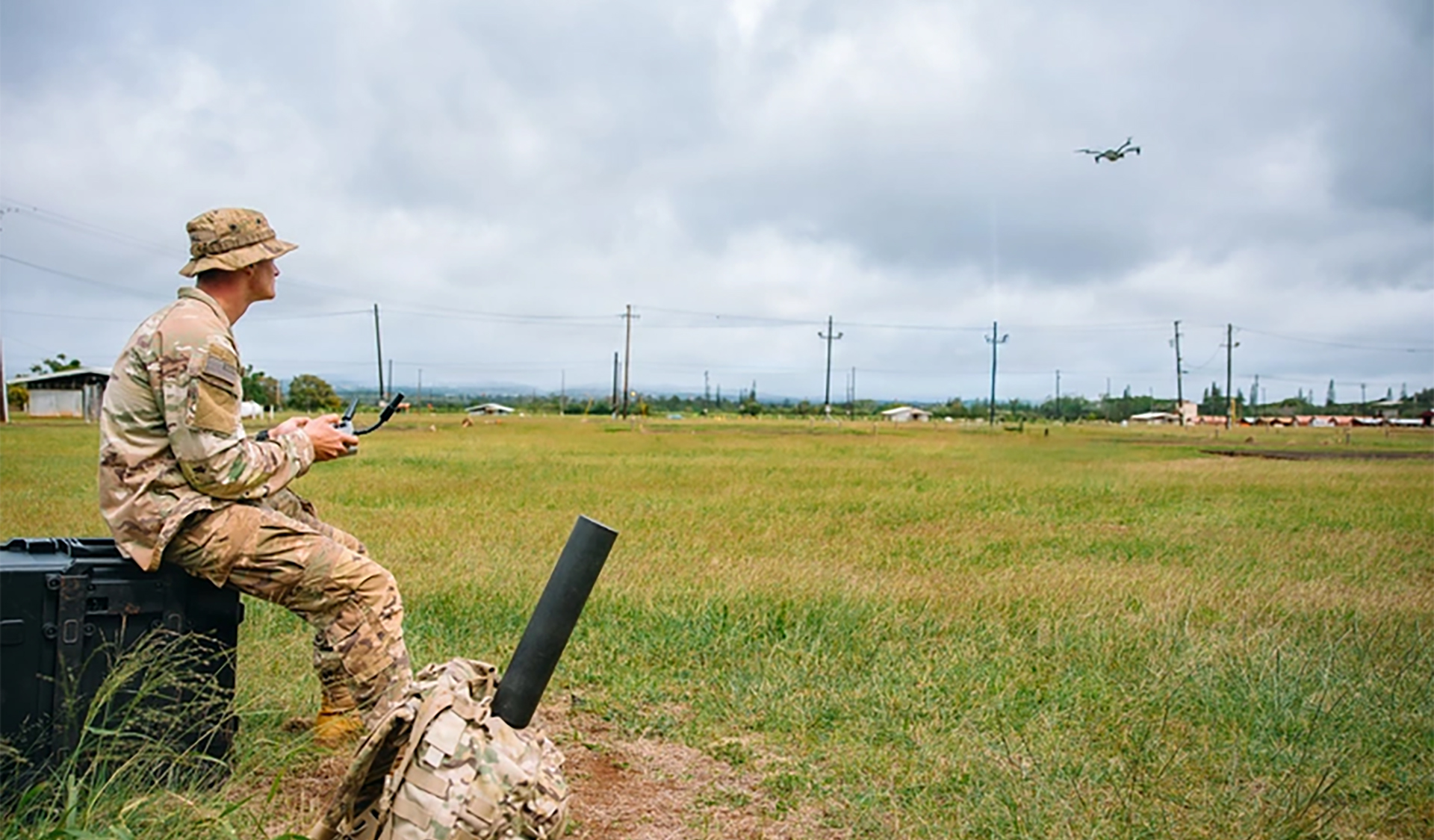
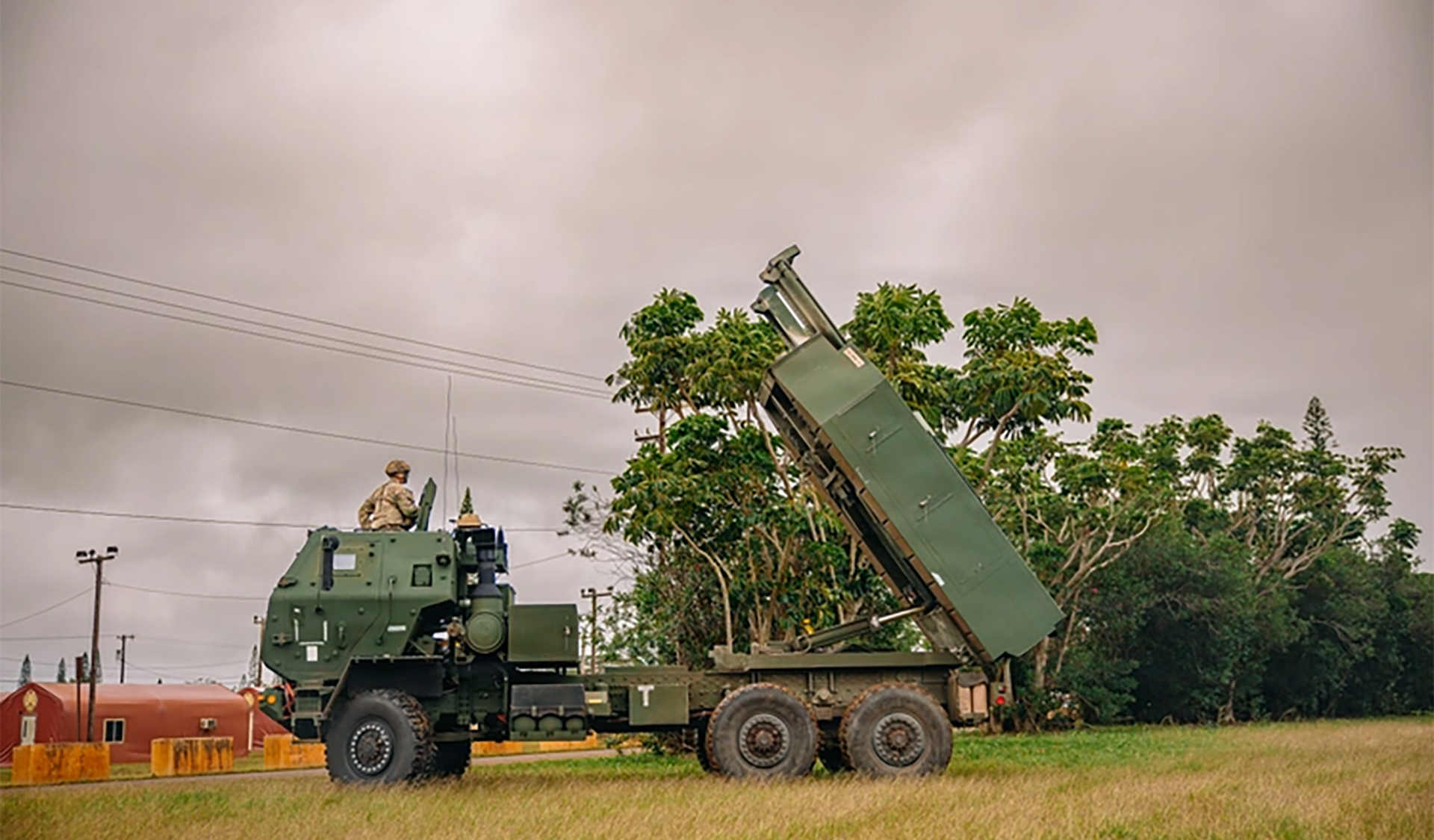
How is Next Generation Command and Control (NGC2) being utilized throughout the Lightning Surge exercises?
How does Next Generation Command and Control (NGC2) improve battlefield decision-making for multi-domain operations?
Why is Next Generation Command and Control (NGC2) important?
How does Team Lockheed Martin's NGC2 prototype with the 25ID compare to Team Anduril's NGC2 prototype with the 4ID?
Next Generation Command and Control, or NGC2, is the U.S. Army’s modernization effort to fundamentally change how digital mission command and control is conducted, utilizing a common data layer to provide a continuous operating picture with a single, integrated view of the battlefield to enable swift and decisive action.
Lockheed Martin serves as the U.S. Army’s Team Lead for the 25th Infantry Division NGC2 prototype, collaborating with several best-of-breed industry partners and augmenting the team by identifying compelling new capabilities to onboard and scale.
The 25th Infantry Division is one of two Army Divisions selected to prototype NGC2 capabilities that demonstrate increased decision making, speed and lethality. The 25ID sets the priorities and mission needs for iterative capability deliveries.
The six “Lightning Surge” exercises, or LS, are intended to showcase the development of the NGC2 prototype in line with operational training objectives and add iterative capability over time, being coordinated by the 25th Infantry Division, in collaboration with Team Lockheed Martin, throughout the Indo-Pacific.
Lockheed Martin is focused on working with the U.S. Army 25th Infantry Division unit on the NGC2 Lightning Surge exercises. Anduril is working with the U.S. Army 4th Infantry Division unit on the NGC2 Ivy Sting exercises.
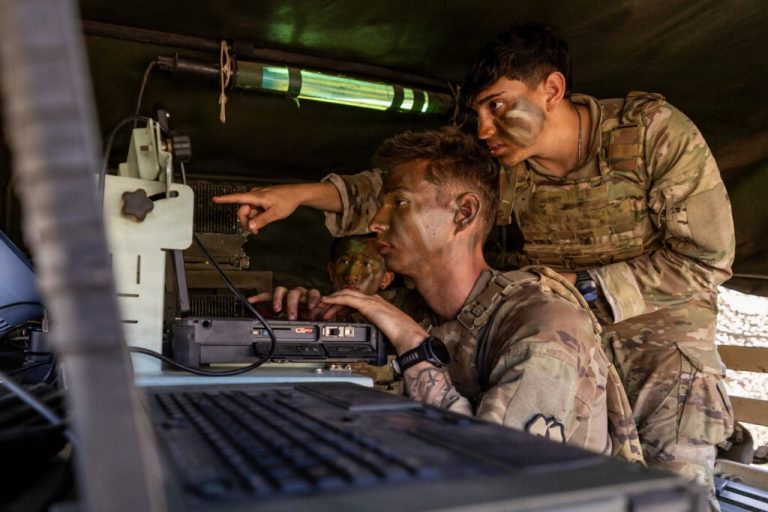
Soldier feedback provides developers with vital data to continue to improve the NGC2 prototype, as this iterative process accelerates modernization and ensures technology meets real-world operational needs.
As new capability is added, the NGC2 prototype’s scalable and adaptable data-centric architecture enables emerging capabilities to be rapidly integrated and surfaced to Soldiers, ensuring the system evolves alongside changing mission requirements and operational needs.
NGC2 is intended to enable faster decision-making, improved responsiveness, and enhanced mission effectiveness in environments where speed can mean the difference between success and failure.
Next Generation Command and Control capabilities are a key part of the Army’s effort to modernize its forces, and for the Tropic Lightning Division, that means planning for the unique challenges of the Indo-Pacific theater.
The two demonstrations are theater‑specific, not competitive. 4ID is refining the NGC2 architecture for the European environment, dense air‑defense, high‑intensity electronic‑warfighting, and short‑range logistics. Whereas Lightning Surge, led by the 25ID, is adapting and hardening the same NGC2 stack for the Indo‑Pacific, the tyranny of distance, contested maritime domains and multi‑domain sensor to shooter timelines. Both are part of a single, Army‑wide modernization effort. Lessons learned and soldier feedback from each theater flow into the same program‑level team, making the overall NGC2 ecosystem stronger for every warfighter, wherever they operate.
Media
Cara Hoaglund
+1 (856) 206-3139
cara.a.hoaglund@lmco.com
Business Development
Scott McFadden
+1 (202) 549-7078
francis.s.mcfadden@lmco.com