


50 Years of Viking: The Gateway to Mars Exploration


Fifty years ago, humanity saw Mars from the surface for the first time.
On July 20, 1976, NASA’s Viking 1 landed in Chryse Planitia and returned the first images from the Martian surface, transforming Mars from a distant world into a reachable destination we could explore. Weeks later, the agency’s Viking 2 landed in Utopia Planitia, proving sustained exploration on the Red Planet was possible.

First image of the Martian surface captured by the Viking 1 lander on July 20, 1976. Credit: NASA
The Viking 1 lander team was a massive, nationwide collaboration spearheaded by NASA’s Langley Research Center (LaRC), which managed the overall project, alongside the agency’s Jet Propulsion Laboratory (JPL) and the Martin Marietta Corporation, one of the companies that later became Lockheed Martin, who designed and built the lander, as well as provided the Titan launch vehicle for the spacecraft.
Why it matters: The Viking 1 lander didn't just make history. It laid the scientific and engineering foundation for nearly every Mars surface mission that followed.
Viking’s accomplishments include:
- First U.S. spacecraft to successfully land on Mars and return images from the surface
- Conducted the first in-depth studies of the Martian atmosphere and regolith
- Performed the first experiments searching for evidence of life
While the Viking landers didn't find definitive evidence of life, they fundamentally changed our understanding of Mars and launched a new era of planetary exploration.
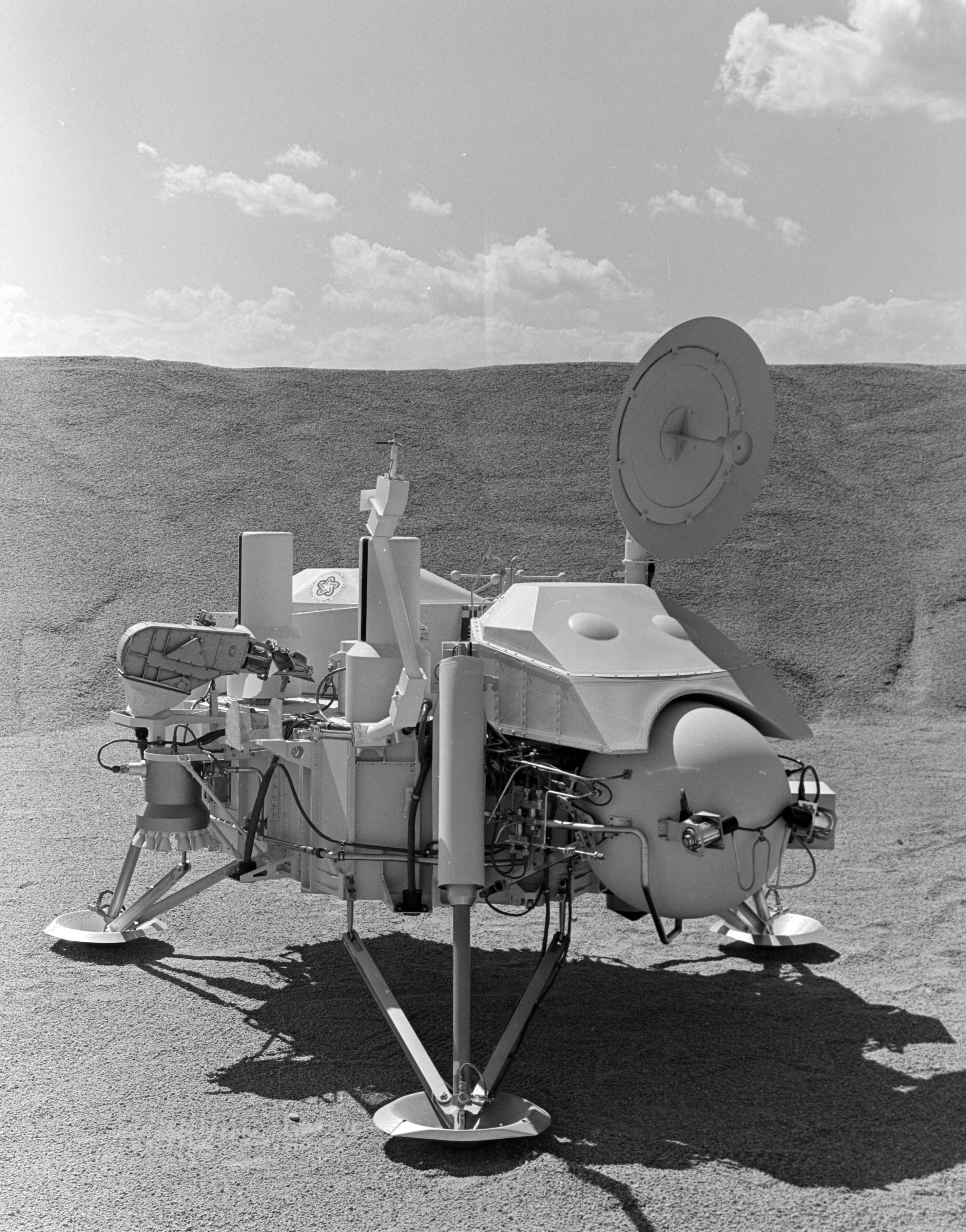
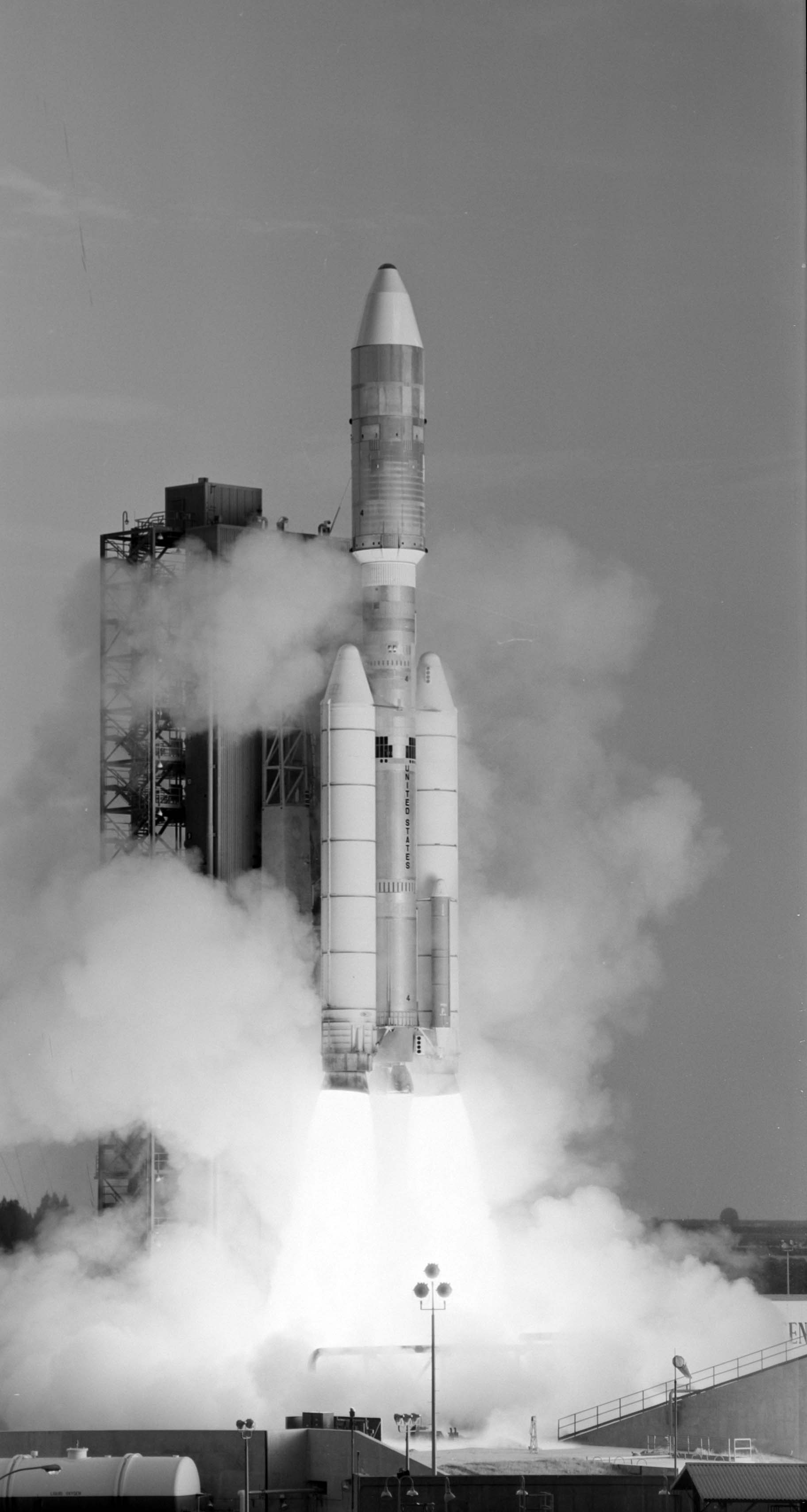
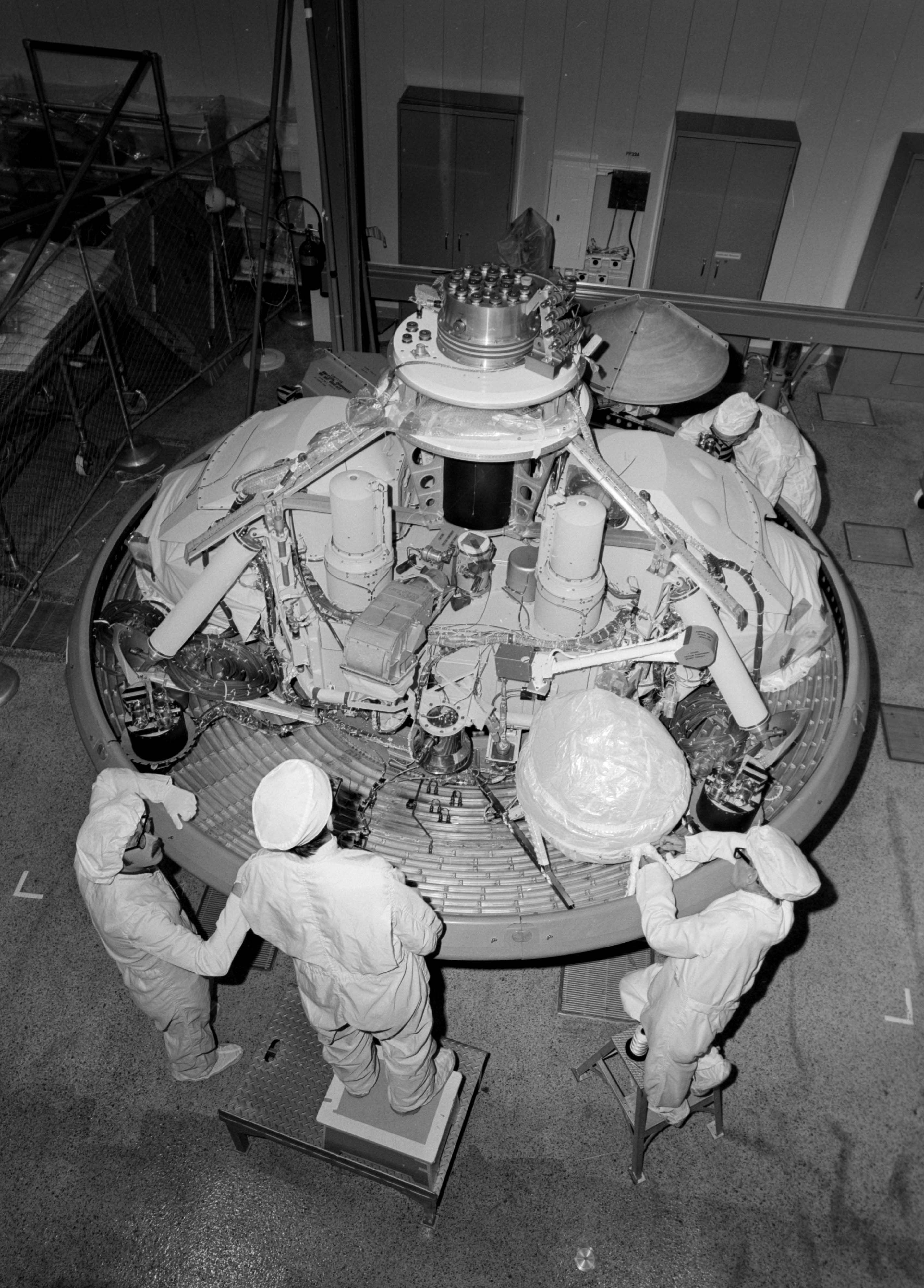
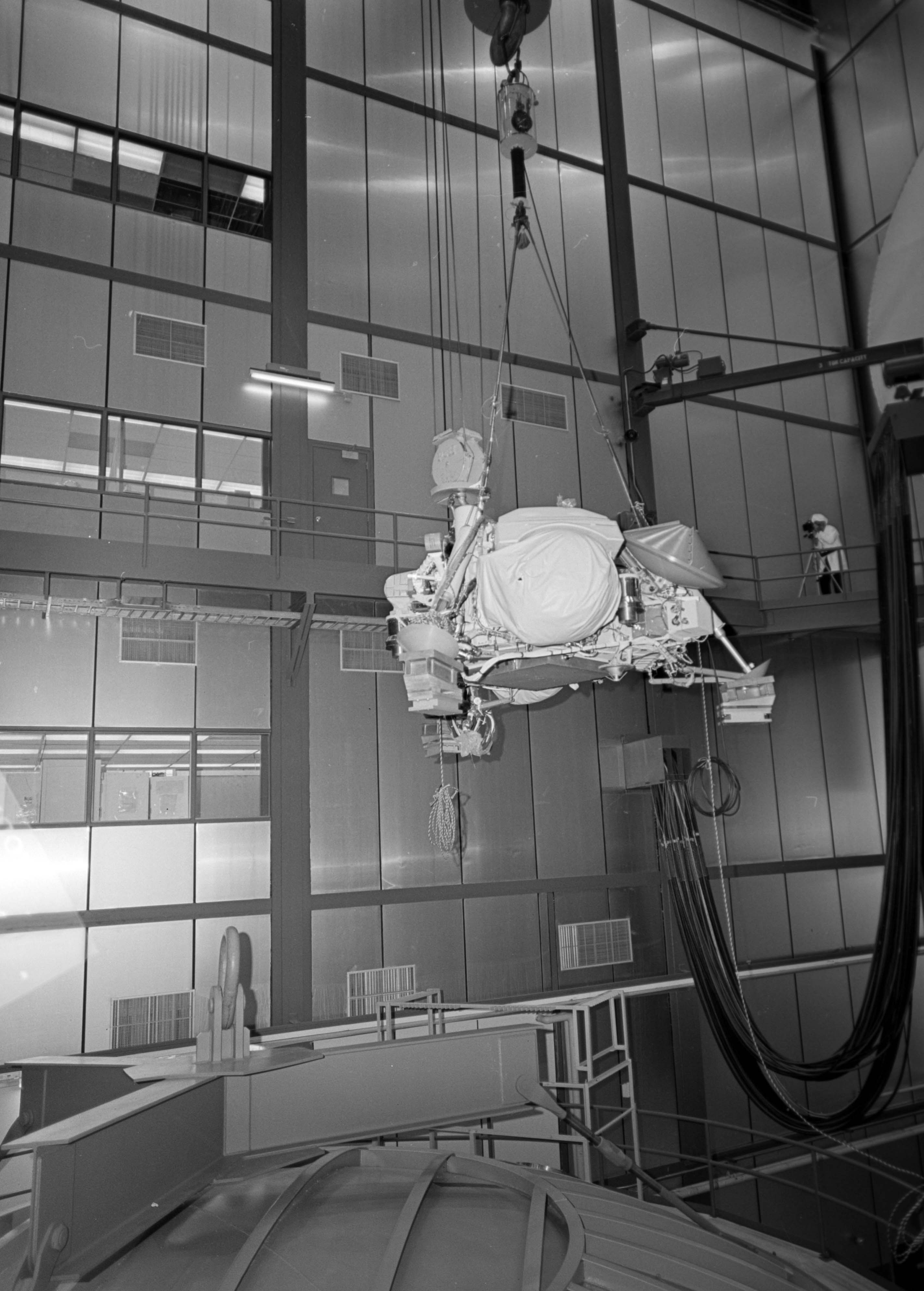
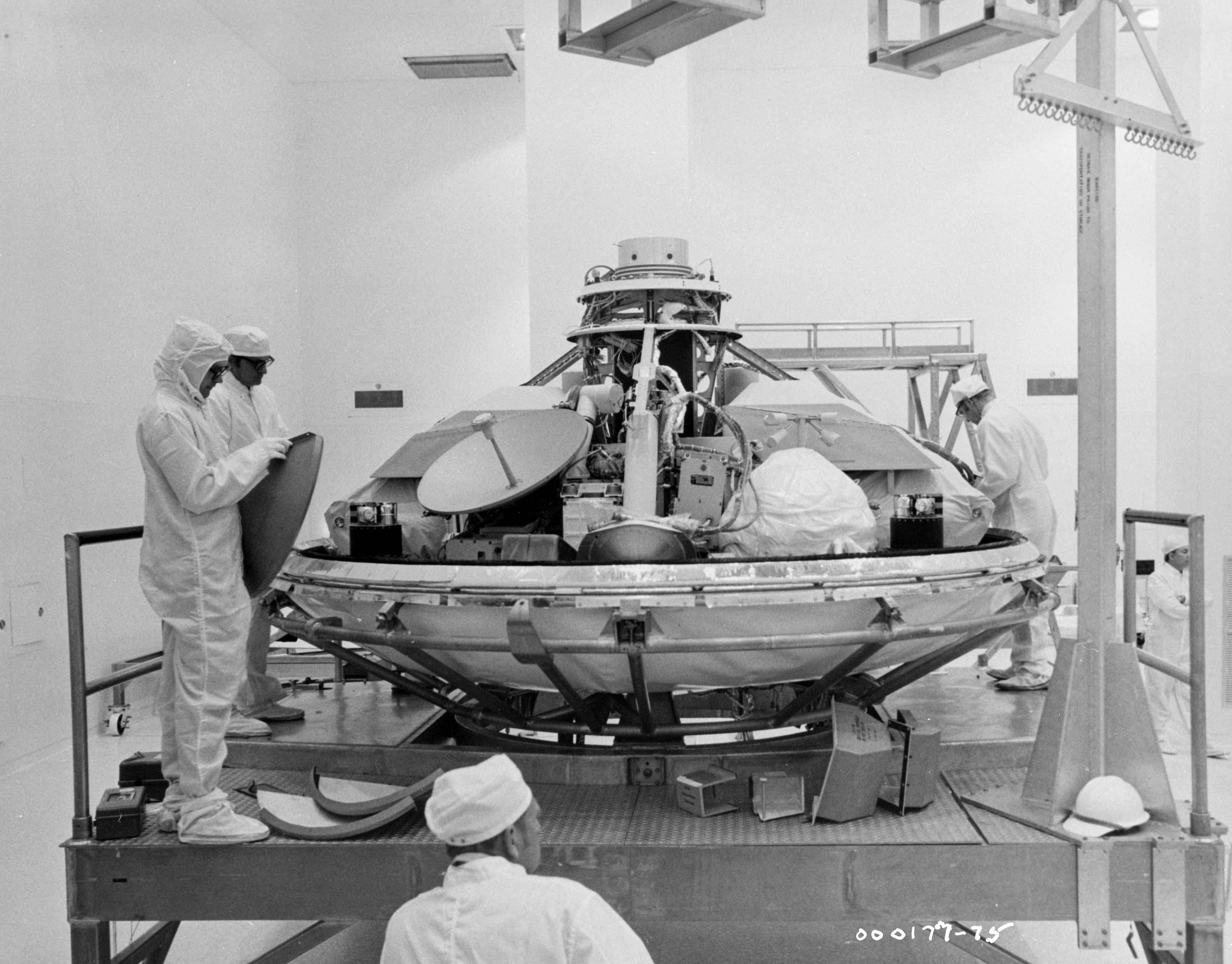
A collection of Martin Marietta photos showcasing Viking 1 production and launch
A Legacy of Discovery
Explore Our Mars Timeline
During the five decades since Viking 1 and Viking 2 landed on the Red Planet, we've helped NASA explore Mars from orbit and on the surface, enabling many of the discoveries that continue to reshape our understanding of the Red Planet.
Highlights include:
- Mars Global Surveyor mapped Mars for nearly a decade, revealing evidence of ancient water and helping identify future landing sites
- 2001 Mars Odyssey, the longest-operating spacecraft at Mars, discovered extensive subsurface water ice and continues supporting surface missions
- Mars Reconnaissance Orbiter (MRO) has returned high-resolution images of the Martian surface, identified signs of past water activity, scouted landing sites and continues to serve as a critical communications relay for surface missions
- Phoenix confirmed ice beneath the Martian surface near the north pole
- InSight recorded the first marsquakes and revealed new insights into the planet's interior
- MAVEN studied how Mars lost much of its atmosphere over billions of years, helping explain how the planet transformed from a potentially habitable world into the cold, dry planet we see today
Each mission has built upon Viking's discoveries, expanding our understanding of Mars and bringing us closer to future human exploration.

First color image of Mars captured by the Viking 1 lander on July 21, 1976. Credit: NASA
The Journey Continues
Fifty years ago, Viking 1 gave humanity its first view from the surface of Mars.
Since then, the missions we’ve supported have helped reveal ancient water, map the planet from orbit, probe its interior and unlock clues about its atmosphere and history. Each mission has built upon the discoveries that came before it, advancing our understanding of one of humanity's most fascinating destinations.
Today, as NASA and its partners prepare for future robotic missions and pursue the long-term goal of sending humans to Mars, the technologies, engineering expertise and scientific knowledge developed over decades of exploration provide a foundation for what comes next.
The next chapter of Mars exploration is still being written. And like Viking before it, it begins with the courage to go farther than ever before.